Before anything else, the phone call
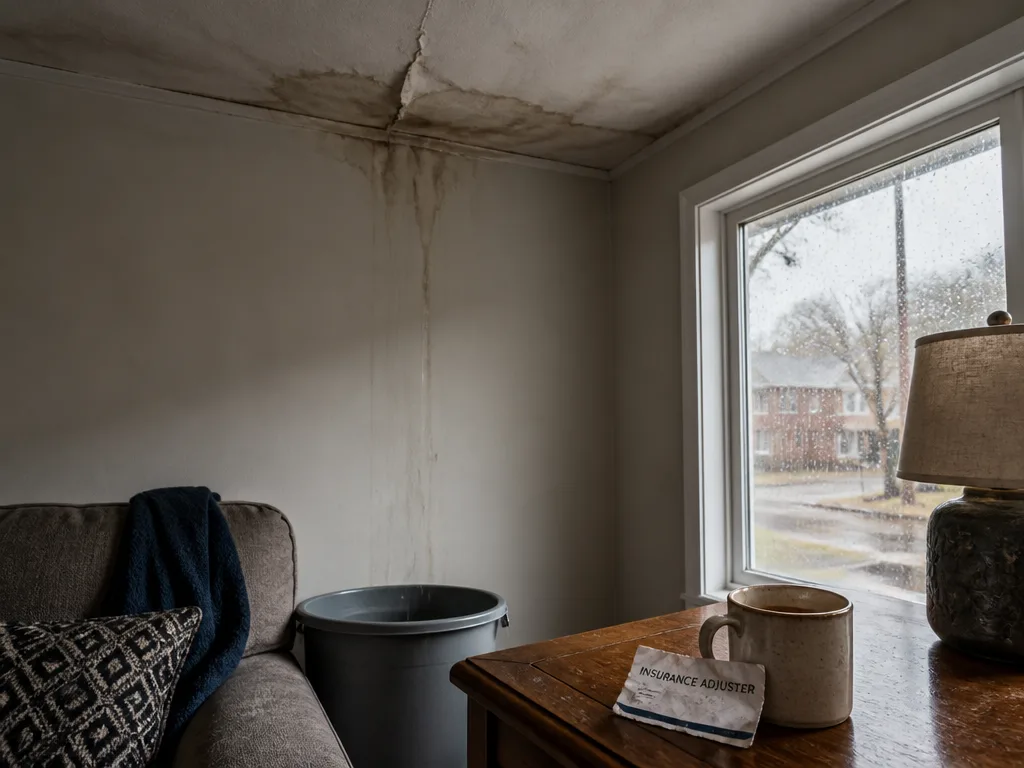
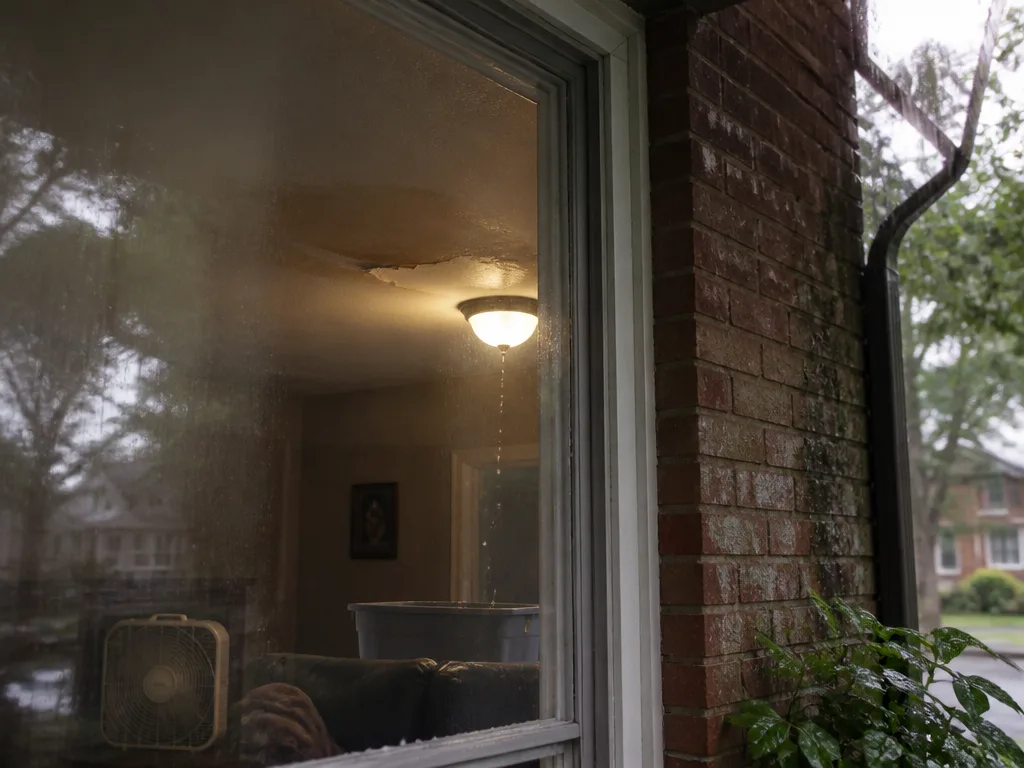
Water in the house is stressful, and most people in Birmingham don't know what to say when they first call. That's fine. Start with what you can see. Which room is wet? Is water still coming in, or has it stopped? Is the water clear, or gray and murky? Those details help us plan the trip before we pull into your driveway.
We'll also ask whether the water is near anything electrical. If it is, step back and keep kids and pets out of that space until the power situation is clear. Water and electricity don't mix, and no cleanup is worth a shock. If you can safely find the main water shutoff, turn it off. If you can't, tell us that on the phone and we'll talk through what to do next.
Write down a few notes while you wait. Include the address, the room names, and any spots where the water has reached furniture or flooring. You'll be surprised how much you forget once a crew is standing in your living room.
The first hours on site
What our crew does when they arrive
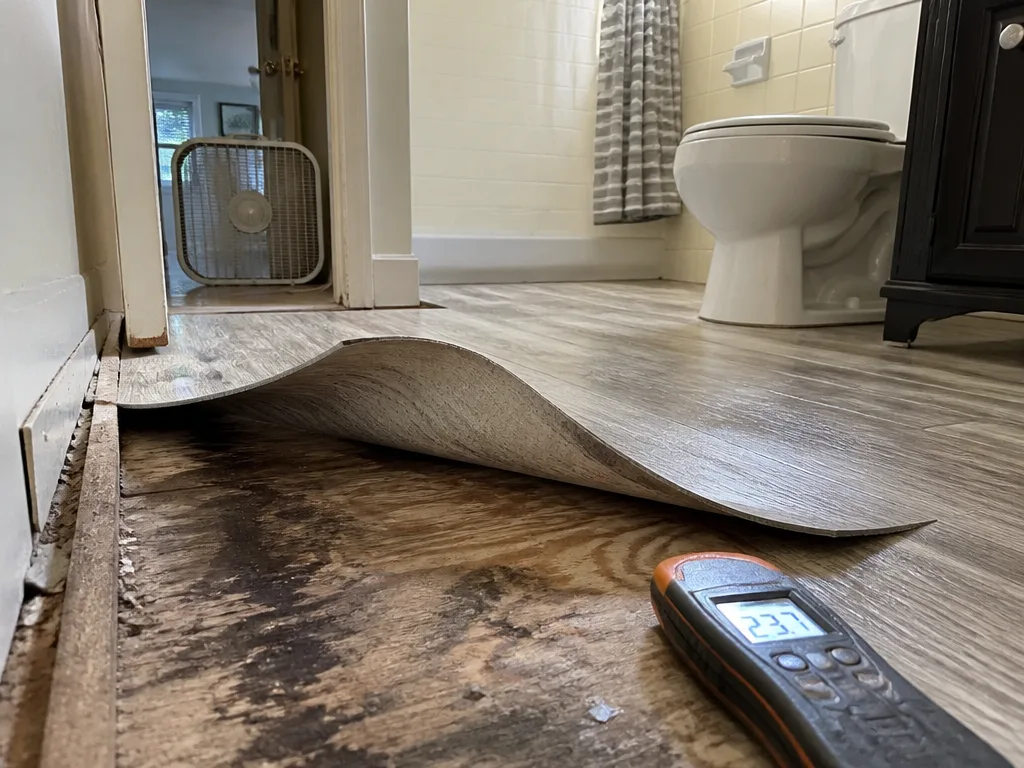
When the restoration specialists get to your house, the first job is walking the affected areas with you. We want to hear what happened from your point of view, because you know the house better than anyone. Then we measure moisture in the floors, walls, and baseboards so we know exactly how far the water traveled.
- Walk the affected rooms and note the water source if it's safe to find
- Take moisture readings in flooring, drywall, and subfloor
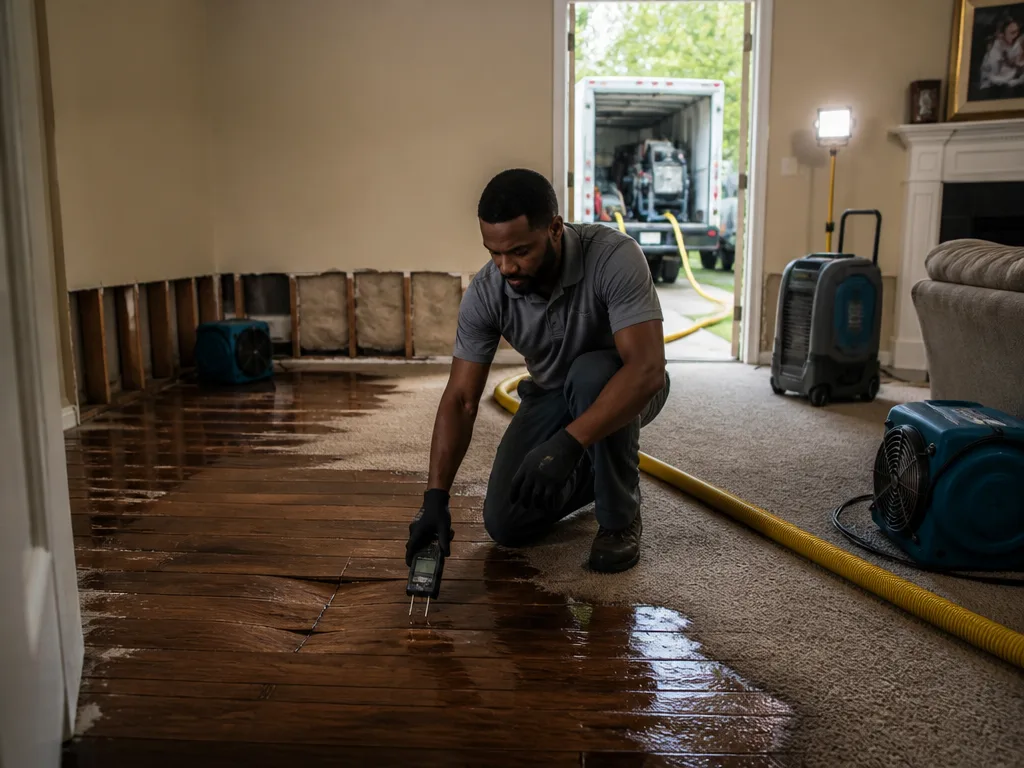
- Remove standing water with extraction equipment
- Set up air movers and dehumidifiers to start drying
- Mark the areas we'll monitor over the coming days
Standing water comes out first. Extraction units pull it up fast, and the difference is obvious within the first hour. Carpet that was squishy underfoot starts to feel more solid, though it isn't dry yet.
Expect noise. Air movers and dehumidifiers run constantly, sometimes for several days, and they can be loud at night. If the sound bothers you, tell us. We can usually reposition equipment so it's not aimed right at your bedroom.
Drying out and deciding what has to go
Porous materials are the tricky part. Carpet pad, drywall, insulation, and wood baseboards soak water like a sponge, and water left inside them can lead to mold and rot. A surface can look dry while the material underneath is still wet, which is why we keep taking readings instead of guessing.
Some materials can be dried in place. Others have to come out. Carpet pad that has soaked through usually gets replaced. Drywall that's wet several inches up from the floor often has to be cut open so air can reach the cavity. We explain each decision as we go, so you aren't surprised when a section of wall comes down.
Over the next few days, our team logs readings each visit. The numbers should trend down. When they stop moving, that's the signal that the structure is close to dry. You don't need to understand every reading, but you should know that we're tracking real numbers and not just running fans until it looks okay.
Things you can do while the drying happens
- Move valuables, photos, and papers out of the affected rooms
- Keep doors to wet rooms closed so the drying stays concentrated there
- Avoid walking on wet carpet more than you have to
- Take photos and video of the damage before anything is moved
- Keep a running list of what got wet, including furniture and clothing
That last list matters more than people expect. Writing things down while the details are fresh makes everything easier later, especially if you need to talk through the damage with anyone else involved.
The follow-up visit
Once the readings show the structure has dried, we schedule a follow-up. We'll walk the house again, confirm the numbers, and pull the equipment that's no longer needed. Some rooms dry faster than others, so a crew may leave one dehumidifier running in a stubborn closet a little longer.
This is also the time to talk about what comes next. Replacing flooring, patching drywall, or repainting are separate jobs, and they're often handled by a different trade. We'll tell you what we see, what we'd recommend, and who we'd suggest for the rest, so you're not left guessing about the next step.
If anything looks off after the follow-up, like a new stain, a musty smell, or a soft spot in the floor, call us. Don't wait for it to get worse. Homes in Birmingham and the surrounding area deal with humidity and older construction, so small leftover moisture can show up weeks later.
When water starts running through your house in Birmingham, the best move is to call Birmingham Insurance Claim Assistance right away. Describe what you're seeing, let us ask the questions we need to, and we'll take it from there one step at a time.