Birmingham gets its share of hard weather. Spring storms roll through Jefferson and Shelby counties, pipes freeze in the rare cold snap, and every so often a water heater gives out at 2 a.m. when nobody is ready for it. When something like that happens to your house, the insurance side can feel like a second storm. Over the years we have heard the same half-truths again and again from folks around Homewood, Hoover, Bessemer, and across the city. Let's clear up the most common ones.
Myth one: If the damage looks small, there is no point filing a claim
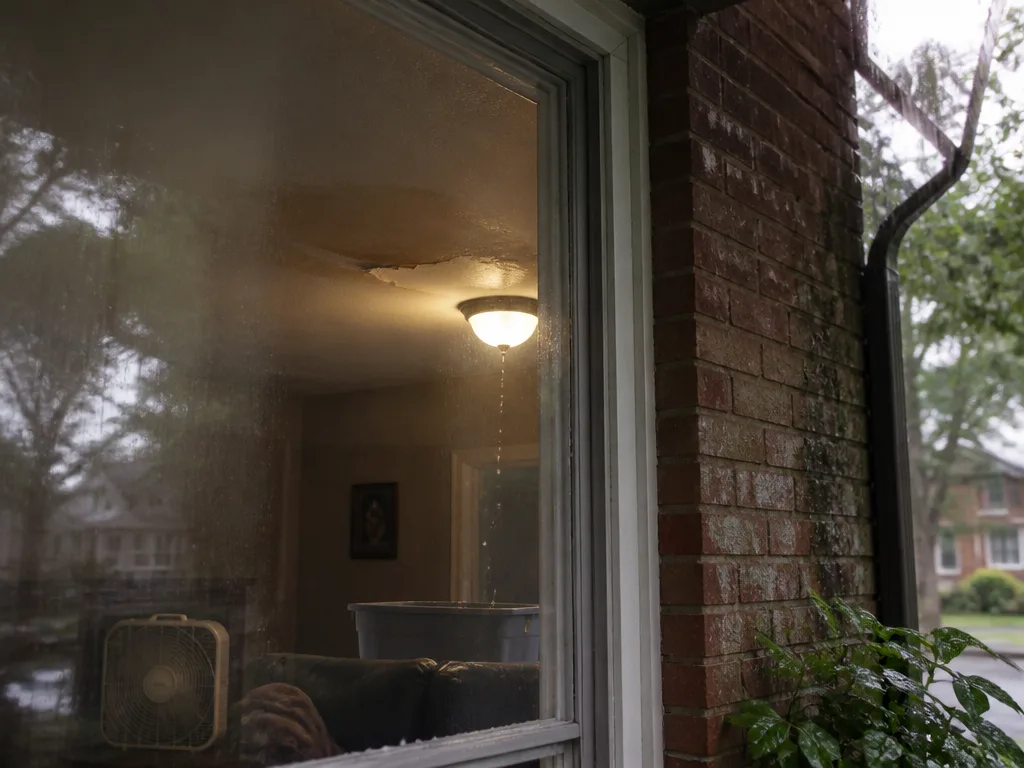
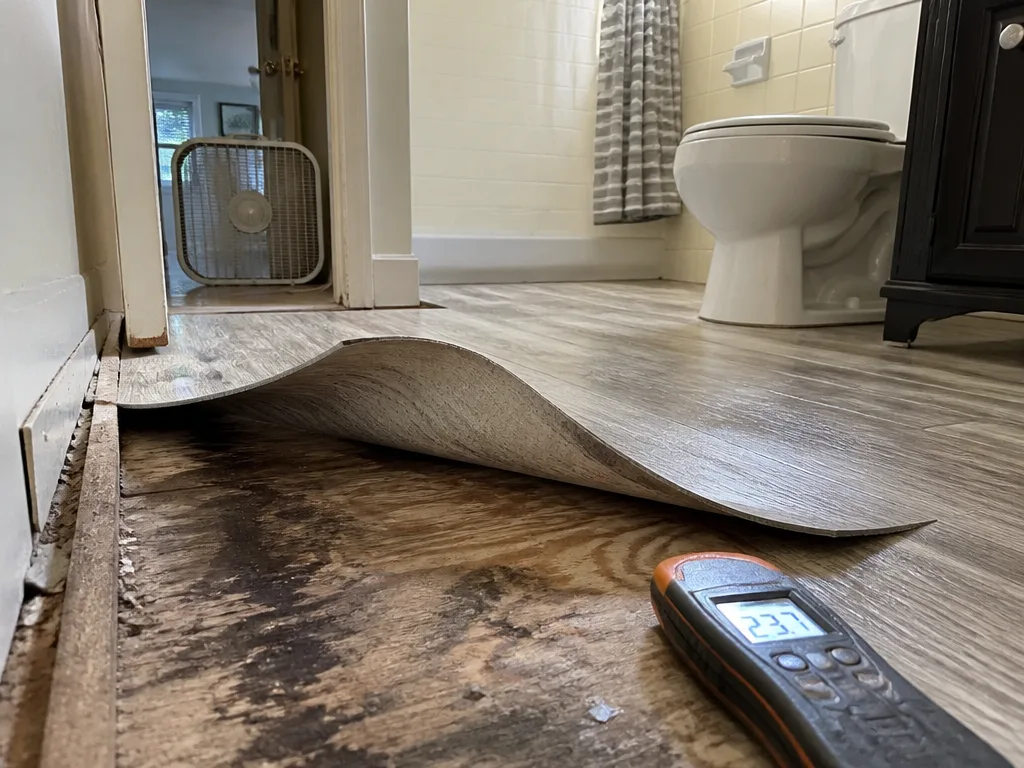
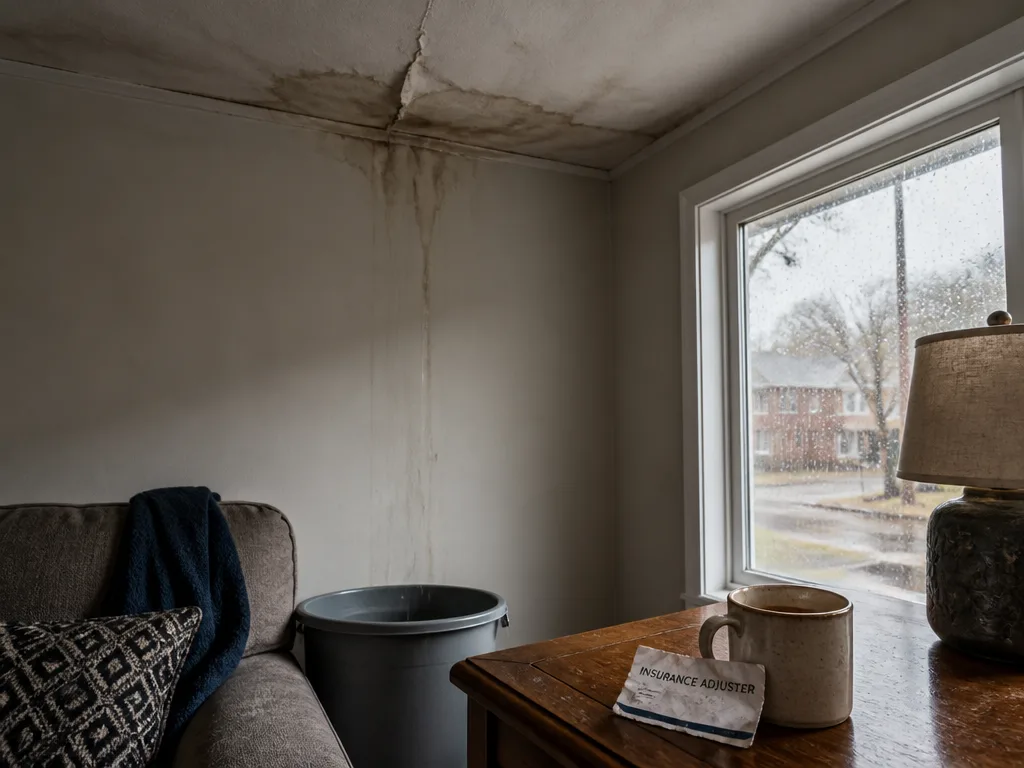
This one costs people the most money. A ceiling stain the size of a dinner plate can hide a soaked joist above it. A bit of water under the kitchen sink can climb into the subfloor and sit there for weeks. Small visible damage often points to bigger hidden damage.
Filing a claim is not the same as accepting the full amount your insurer first offers. You are asking for the damage to be looked at. If you wait until mold shows up, some policies will argue the problem could have been caught sooner, and that argument gets harder to win the longer you sit on it.
Take photos of everything before you touch it, including the small stuff. Date them. That habit alone makes the next conversation easier.
Myth two: The insurance adjuster works for me
The adjuster is hired by the insurance company. Their job is to inspect the loss and write an estimate that the company is willing to pay. Many adjusters are fair people doing a real job, but their paycheck does not come from your side of the table.
That does not mean you are on your own. It means you should know who is in the room. Ask for the adjuster's name and direct contact information. Ask what they are inspecting and what they are not. Write down dates and the names of everyone you talk to.
- Keep a single notebook or folder for the claim
- Log every phone call with the date, time, and what was said
- Save every email and letter, even the ones that seem routine
Myth three: The first offer is the final offer
Insurers do make opening offers, and sometimes those offers leave out real line items. Common gaps we see in Birmingham homes include flooring that does not match the rest of the house, cabinet bases that were soaked but not replaced, and drying time that was cut short. Some of these are fair to question. Some are not. You will not know which until somebody walks through the damage with you.
Ask the insurer to explain, in writing, how they reached each number. If something is missing, say so specifically and point to the photo or the room where the problem is. Vague complaints get vague answers. Specific ones get reviewed.
Questions worth asking before you accept anything
Did the inspection include the room next to the leak? Did anyone check the wall cavity or the crawl space? Was the scope of work written down with measurements? If the answer to any of these is no, you have a reasonable reason to ask for another look.
Myth four: You have to use the company the insurer recommends
In most cases, you get to choose who does the repair work. Insurers keep lists of preferred contractors for good reasons, and some of those companies do solid work. But a list is not a requirement. Get a second opinion on scope, and talk to more than one restoration specialist if the job is large.
When you call around, ask how long they have been working in the Birmingham area, what the drying and cleanup process looks like, and whether they will coordinate directly with your adjuster. A good crew will explain each step without making you feel rushed.
Myth five: Mold coverage is automatic or impossible, depending on who you ask
Neither extreme holds up. Coverage for mold depends on the policy wording and on how the water got into the house. A sudden burst pipe is treated differently from long-term seepage in many policies. Read the exclusions section, or ask your agent to walk you through it in plain language.
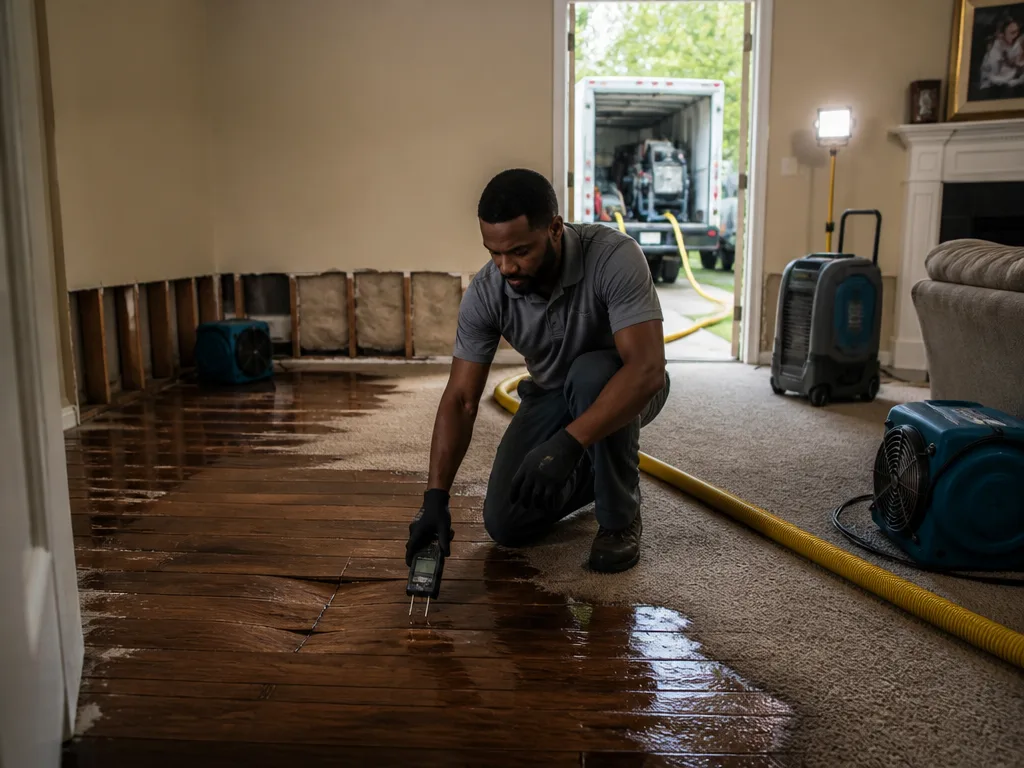
What you can control is how fast you act. Once water is in the house, start drying right away. Move wet rugs, lift what you can off wet floors, and run fans if it is safe to do so. Document the start time of your response. Those steps protect the home and your claim.
What to do this week if you have a claim in progress
Pull out your policy and find the section on water damage, sudden loss, and mold. Write down your deductible and the date you reported the loss. Make a short list of anything still unresolved, such as a missing line item or a room nobody has inspected.
Then call your insurer and ask for the claim number, the adjuster's contact information, and the status of each open item. If the answers are unclear, that is information too. Birmingham Insurance Claim Assistance works with homeowners through this exact stage, and we are happy to talk through what you are seeing over the phone. Call us, describe the damage in your own words, and we will tell you honestly whether it sounds like something worth pushing on.